
Your website looks good. You’ve invested in design, written a few pages, maybe even posted blogs. But when you search for your own services on Google, you’re nowhere to be found. Meanwhile, competitors with weaker branding and average content are ranking above you and getting the leads. That gap isn’t luck. It’s SEO.
Here’s what most businesses don’t realize: showing up in search results isn’t automatic. It’s built. And without a clear SEO strategy, even the best website stays invisible.
In this guide, I’ll break down what SEO really is, how it works, and why it matters for long-term growth. By the end, you’ll understand how search visibility turns into traffic, trust, and consistent revenue.
What is SEO?
SEO (Search Engine Optimization) is the process of improving a website so it ranks higher in search engine results like Google. The goal is simple: when someone searches for a product, service, or question related to your business, your website appears in front of them.
At its core, SEO is about visibility. If your website doesn’t show up on the first page of search results, most people will never find you. SEO helps search engines understand your content, measure its relevance, and decide whether it deserves to rank.
A Simple Explanation for Beginners
Think of SEO as positioning your shop on the busiest street in the city instead of a hidden alley. Search engines are the map, and SEO ensures your business is clearly marked and easy to find.
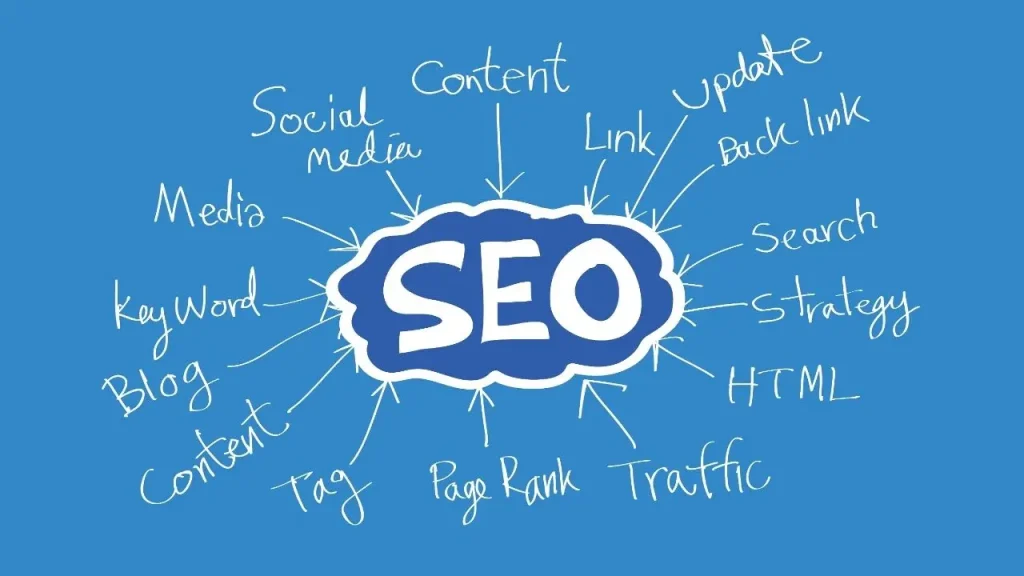
It involves optimizing:
- Website content
- Keywords and search intent
- Page speed and mobile usability
- Technical structure
- Authority through backlinks
All of these signals to search engines that your website is trustworthy and relevant.
The Goal of SEO
The main objective of SEO is to improve visibility in search engine results. Higher rankings lead to more clicks. More clicks bring targeted visitors. And targeted visitors turn into leads, sales, and long-term customers.
Organic Traffic vs Paid Traffic
Organic traffic comes from unpaid search results. You earn it by ranking naturally through SEO. Paid traffic comes from ads like Google Ads, where you pay for each click. The difference? SEO builds long-term growth. Paid ads stop the moment you stop paying.
Why is SEO Important for Websites and Businesses?
SEO is important because it brings consistent, high-intent traffic to your website without depending on paid ads. When your website ranks on the first page, you don’t chase customers. They find you. That visibility builds momentum over time and turns search into a reliable growth channel.
1. Increased Organic Traffic
Organic traffic is the backbone of sustainable online growth. When your pages rank for relevant keywords, people actively searching for your services land on your website. These visitors already have intent, which means they’re more likely to convert. Unlike social media traffic that fades quickly, search traffic continues as long as you maintain your rankings. SEO helps you attract users at different stages of the buying journey. It also reduces dependency on referrals or random marketing efforts. Over time, strong rankings compound and bring steady monthly visitors. That consistency creates predictable lead flow.
2. Higher Credibility and Trust
People trust Google. If your website ranks high, users assume your business is credible. Strong SEO signals such as quality content, secure browsing, and authoritative backlinks increase that trust. Ranking above competitors positions you as an industry leader. Users are more likely to click organic results than ads because they feel more genuine. When your content answers their questions clearly, trust grows even further. Consistent visibility reinforces brand recognition. The more often users see you in search results, the more reliable your business appears.
3. Long-Term ROI Compared to Paid Ads
Paid ads deliver quick traffic, but the moment you stop paying, the traffic disappears. SEO works differently. It requires effort upfront, but the results last much longer. Once you rank well, you continue receiving traffic without paying for every click. Over time, the cost per lead decreases significantly. SEO also improves the overall quality of your website, which benefits all marketing channels. The return compounds as the content ages and gains authority. This makes SEO one of the highest ROI digital marketing strategies.
4. Competitive Advantage in Search Results
Your competitors are investing in SEO whether you realize it or not. If they rank and you don’t, they capture the traffic meant for your business. SEO helps you compete strategically by targeting the right keywords and optimizing better than others. Ranking above competitors increases your share of visibility in your industry. It also allows you to dominate niche or local searches. Even small improvements in ranking can mean a significant jump in traffic. When done consistently, SEO becomes a long-term competitive edge.
How Do Search Engines Work?
Search engines work through three main steps: crawling, indexing, and ranking. These steps allow platforms like Google to discover content, understand it, and decide where it should appear in search results. If you understand this process, you understand the foundation of SEO.
1. Crawling
Crawling is the discovery phase. Search engine bots, often called web crawlers or spiders, scan the internet to find new and updated pages. They move from link to link, collecting information about each page they visit. When you publish new content, crawlers must access it before it can appear in search results. Internal linking helps bots navigate your website more efficiently. A clear site structure and updated sitemap make crawling easier. If a page isn’t crawlable, it simply won’t exist in Google’s system. This is the first step toward visibility in SERPs (Search Engine Results Pages).
2. Indexing
After crawling, the next step is search engine indexing. This is where search engines store and organize web content in massive databases. During indexing, the Google algorithm analyzes your page’s text, images, keywords, and structure. It tries to understand what your content is about and which search queries it should match. Content relevance plays a huge role here. If your page clearly answers a topic, it’s more likely to be properly indexed. Poor structure or thin content can limit how well search engines interpret your page. Without indexing, ranking is impossible.
3. Ranking
Ranking is where competition begins. When someone enters a search query, search engines evaluate indexed pages using hundreds of ranking factors. These include content quality, backlinks, user experience, and relevance to intent. The Google algorithm compares pages and orders them based on value and authority. The most relevant and trustworthy results appear at the top of SERPs. User intent is critical here. If your content aligns with what the user actually wants, your chances of ranking increase significantly.
How Does SEO Work?
SEO works by aligning your website with what people search for and what search engines prioritize. It connects user intent with optimized content and strong technical foundations. When all the elements work together, your website becomes easier to understand, trust, and rank.
1. Keyword Research and Search Intent
Everything starts with keyword research. This is where you identify what your target audience is actually typing into Google. But it’s not just about volume. You need to understand search intent. Is the user looking for information, comparing options, or ready to buy? Matching your content to that intent increases relevance. Targeting the wrong intent leads to traffic that doesn’t convert. Good keyword research also uncovers long-tail opportunities with lower competition. When you align keywords with intent, you create content that answers real search queries.
2. On-Page Optimization
On-page SEO focuses on improving individual pages so they rank better. This includes optimizing title tags, meta tags, headers, and URL structure. Your primary keyword should appear naturally in key areas without forcing it. Internal linking connects related pages and helps distribute authority across your site. Clear headings improve readability for both users and search engines. Proper formatting also increases time on page. When on-page elements are optimized correctly, search engines understand your content faster and more accurately.
3. Technical SEO Improvements
Technical SEO ensures your website is easy to crawl and load. Site speed is critical because slow pages hurt both rankings and user experience. Mobile optimization is equally important since most searches happen on mobile devices. A clean site structure improves indexing and navigation. Secure browsing through HTTPS builds trust. Fixing broken links and crawl errors prevents ranking issues. Technical improvements create a strong foundation for all other SEO efforts.
4. Off-Page SEO and Backlinks
Off-page SEO builds your website’s authority outside your own domain. The most important factor here is backlinks. When reputable websites link to you, it signals trust and credibility. This directly impacts your domain authority. Quality matters more than quantity in link building. Natural mentions and references strengthen your brand reputation. A strong backlink profile helps you compete in tougher industries. Without off-page SEO, ranking for competitive keywords becomes difficult.
5. Content Optimization
Content optimization ties everything together. Your content must be clear, relevant, and valuable. It should answer user questions better than competing pages. Updating older content keeps it fresh and competitive. Proper use of keywords ensures alignment with search queries. Structured formatting improves readability and engagement. When content is optimized consistently, rankings become more stable. Strong content combined with technical and authority signals is what drives sustainable SEO growth.
The Main Types of SEO
SEO is not just one thing. It’s a mix of different actions that work together. Each type of SEO focuses on a different part of your website and online presence. When you combine them properly, your chances of ranking improve a lot.
1. On-Page SEO
On-page SEO focuses on what you control inside your website. It starts with content optimization, meaning your content should be clear, helpful, and match what people are searching for. You also need to optimize HTML elements like title tags, meta descriptions, and headers. These help search engines understand your page better. Clean structure and proper internal linking make your page stronger.
2. Technical SEO
Technical SEO improves how your website performs behind the scenes. Website speed is important because slow sites frustrate users. Mobile friendliness matters since most people search on their phones. Core web vitals also measure user experience, like loading and stability. Structured data, also called schema markup, helps search engines understand your content clearly. An XML sitemap guides search engines to find and index your pages faster.
3. Off-Page SEO
Off-page SEO happens outside your website. The most important part is backlinks, which are links from other websites to yours. Good backlinks build trust and improve authority. Brand mentions also help, even if they don’t include a link. Social signals, like shares and engagement, can increase visibility. Strong off-page SEO makes your site look reliable in the eyes of search engines.
4. Local SEO
Local SEO helps businesses appear in local search results. It focuses on location-based searches like “SEO expert near me.” A Google Business Profile is very important here. Local citations must have accurate NAP consistency, meaning your name, address, and phone number are the same everywhere. Positive reviews also improve trust. When done right, local SEO helps you dominate local search and attract nearby customers.
What are the Key Ranking Factors in SEO?
The key ranking factors in SEO are content quality, keyword relevance, backlinks, page experience, and user behavior signals. Search engines use these signals to decide which pages deserve to appear at the top. If your website performs well in these areas, your chances of ranking increase significantly.
1. High-Quality Content
Content quality is the foundation of SEO. Search engines want to show pages that truly help users. Your content should be clear, accurate, and directly match search intent. It should answer the user’s question better than competing pages. Google also looks at E-E-A-T, which stands for experience, expertise, authority, and trust. When your content shows real knowledge and value, rankings improve naturally.
2. Relevant Keywords
Keywords help search engines understand what your page is about. But it’s not about repeating the same word again and again. You need to use relevant keywords naturally within your content. Matching keywords with search intent is what really matters. When your page clearly aligns with a user’s search query, it becomes more relevant. Proper keyword placement in headings and content improves visibility.
3. Backlink Profile
Backlinks act like votes of trust from other websites. When high-quality websites link to your page, search engines see it as reliable. A strong backlink profile improves your authority in your niche. Quality is more important than quantity. Spammy or low-quality links can harm rankings. Consistent link building from trusted sources strengthens your SEO over time.
4. Page Experience
Page experience focuses on how users interact with your website. Fast loading speed is essential. Mobile-friendly design is no longer optional. Easy navigation and a clean layout improve usability. Secure browsing through HTTPS builds trust. When users have a smooth experience, search engines reward your site with better rankings.
5. User Engagement Metrics
User behavior tells search engines whether your content is useful. If people leave quickly, your bounce rate increases. If they stay longer, dwell time improves. High engagement signals that users find value in your content. Clear structure and strong readability help keep visitors on your page. When users interact positively with your website, rankings tend to improve.
Common SEO Mistakes to Avoid
Many websites fail to rank because of simple SEO mistakes. These errors stop search engines from understanding your content or make users leave your site. Avoiding them can save you time and help your website grow faster. Knowing what not to do is just as important as knowing what to do.
1. Keyword Stuffing
Keyword stuffing is when you use the same word too many times in your content. It makes your writing sound unnatural and can confuse readers. Search engines can also penalize pages that overuse keywords. Focus on using keywords naturally in your content and headings. Quality always matters more than quantity.
2. Ignoring Technical SEO
Technical SEO includes site speed, mobile friendliness, and proper indexing. Ignoring these makes it hard for search engines to crawl and rank your pages. Broken links, slow pages, or missing sitemaps can hurt your visibility. Fixing technical issues improves both user experience and search performance.
3. Duplicate Content
Duplicate content happens when the same text appears on multiple pages. It confuses search engines about which page to rank. This can lower your rankings or prevent pages from showing up. Make sure every page has unique content that adds value to visitors.
4. Poor Internal Linking
Internal links connect different pages on your website. Without them, search engines may not find all your pages. Poor linking also makes it hard for users to navigate your site. Use clear, relevant links to help both visitors and search engines.
5. Not Optimizing for Mobile
Most people search on phones today. If your site isn’t mobile-friendly, users leave quickly. Slow loading or hard-to-read pages hurt rankings. Make sure your site looks and works well on all devices.
Is SEO Worth It in 2026 and Beyond?
Yes, SEO is more important than ever, even as search engines and algorithms evolve. While technology changes rapidly, people will always use search to find answers, products, and services. Ranking in search results continues to drive consistent, high-intent traffic that paid ads alone cannot replace. The key is adapting your SEO strategy to new trends while building a strong digital foundation.
Search engines are becoming smarter with AI-driven algorithms. They now understand context, user intent, and content relevance better than before. This means simply stuffing keywords won’t work. You need high-quality, well-structured content that directly addresses what users are searching for. Features like AI Overviews in search results highlight authoritative and concise content, giving early movers a huge advantage.
Investing in SEO today also builds long-term digital assets. Every optimized page adds value over time, attracting traffic months or even years later. Unlike paid ads, which stop delivering traffic once the budget ends, SEO continues to generate leads and brand awareness passively.
Here’s why SEO remains worth it in 2026 and beyond:
- AI-driven search rewards well-structured, relevant content.
- Optimized content builds lasting visibility and trust.
- Local and niche searches still rely heavily on organic results.
- SEO compounds value over time, unlike short-term ad campaigns.
- Businesses that adapt early to new algorithms gain a competitive edge.
In short, SEO is not just a marketing tactic; it’s a long-term investment. By focusing on quality content, technical health, and authority signals, your website can stay visible, relevant, and profitable well into the future.
Final Thoughts
SEO is the cornerstone of online visibility and business growth. It’s not just about ranking for keywords; it’s about connecting with the right audience at the right time. By optimizing your website for search engines, you attract targeted traffic, build trust, and create lasting digital assets. From on-page improvements to technical fixes, backlinks, and content strategy, every aspect of SEO contributes to your website’s authority and performance.
Even as algorithms evolve, businesses that invest in SEO continue to gain a competitive edge, generate leads, and grow organically. In 2026 and beyond, SEO remains a smart, long-term strategy for anyone serious about being found, trusted, and chosen by customers online.
Frequently Asked Questions (FAQs)
1. What is SEO and how does it work?
The meaning of SEO is Search Engine Optimization, which helps websites rank higher in search results. It works by optimizing content, technical elements, and backlinks to match user search intent.
2. Why is SEO important for my business?
SEO is important because it increases your website’s visibility and brings targeted traffic. Higher visibility builds trust, leads, and long-term growth.
3. How long does it take to see results from SEO?
The time to see SEO results depends on competition and website authority. Typically, noticeable improvements take 3–6 months.
4. What are the different types of SEO?
The types of SEO are on-page, technical, off-page, and local SEO. Each focuses on a different part of website optimization and visibility.
5. How do I choose the right keywords for my website?
The right keywords match what your audience is searching for. You should consider search volume, relevance, and user intent.
6. What is the difference between organic traffic and paid traffic?
Organic traffic comes from free search results that rank naturally. Paid traffic comes from ads that you pay for per click.
7. How can I improve my website’s SEO ranking?
You can improve SEO ranking by creating high-quality content, optimizing pages, and building backlinks. Technical fixes and user experience also help rankings.
8. Is SEO worth investing in for small businesses?
SEO is worth it because it brings long-term, low-cost traffic. It helps small businesses compete with larger competitors online.